

Overview:
resources & curriculum
Growing hope.
Hope is at the heart of everything we do.
Our curriculum and resources are designed to help people with health conditions grow their sense of wellbeing, connectedness, and hope.
But what is hope?
Hope is a dynamic motivational system that moves us toward a meaningful goal.
Hope is not a vague wish.
Rather, hope is a way of thinking, feeling, and moving toward a goal. When the right internal and external conditions come together around a goal, hope becomes a powerful force for change. Our approach helps you anchor your goal and create the conditions for hope to grow.
Our resources build on the foundational work of Rick Snyder (2000, 2002) and others, and draw on Rachel Colla’s reconceptualisation of Hope Theory. Rachel and her team identified four distinct "powers" (Colla et al., 2022) that work together to grow hope:
WayPower (Pathways): Your ability to generate multiple, flexible routes to reach desired goals and navigate obstacles.
WillPower (Agency): Your perceived capacity to initiate and continue movement along those pathways toward a goal.
WhyPower (Meaning): The deeper sense of purpose and value that makes your goal personally significant and provides the motivation to persevere through difficulties.
WePower (Community): Your social connectedness and ability to tap into external resources and social systems for support, ensuring you never have to climb alone.
We’ve designed these resources to help you tap into each of these powers, enabling you to experience a growing sense of hope.
Growing hope: our curriculum
We’ve designed our curriculum to help you build a sense of hope by combining two powerful approaches: the GROW coaching model & the PERMA wellbeing model.
1. Navigating Toward Hope (Course)
This course empowers you to transform vague optimism into hope: a concrete way of thinking that draws on WayPower, WillPower, WhyPower and WePower. Through this course, you will:
Learn principles that will help you cultivate the motivation, flexible problem-solving, and community support needed to navigate the challenges of chronic health conditions and pursue meaningful outdoor goals.
Gain the essential framework and mindset required to successfully advance into our GROW and PERMA curriculum.
Who is this for? It is ideal for anyone who wants to learn how hope can be actively cultivated rather than passively felt, providing a starting point for those ready to pursue a meaningful goal. Visit the course page for more information
2. Set a Meaningful Goal: GROW (Course)
The GROW coaching model creates a foundation for hope by clarifying your goal and developing your WayPower. Focusing on Goal, Reality, Options, and Way Forward, this structured course helps you:
Clarify exactly what you want to achieve while honestly assessing your current situation;
Brainstorm creative options that help you map a way forward and navigate difficult terrain with confidence.
Who is this for? This course is ideal for anyone who has a goal but needs help getting started. It lays the foundation for the PERMA course. Visit GROW for more information
3. Strengthen your Wellbeing: PERMA (Course)
Where GROW provides the map, the PERMA wellbeing model provides the fuel for your journey by strengthening your wellbeing tools. This improves both your internal capacity and your external resources. Exploring each of the model’s five pillars — Positive Emotion, Engagement, Relationships, Meaning, and Accomplishment — you will:
Explore WhyPower – discover a clear "why" that puts your life and goals into context, giving purpose and meaning, even in the face of challenges.
Strengthen WePower by focusing on healthy social relationships.
Develop WillPower through positive psychology interventions that build resilience and a sense of mastery as you move toward your goal.
Who is this for? This course is ideal for anyone with a clear goal who wants to experience more hope. It builds on GROW to strengthen internal and external resources. Visit PERMA for more information
Growing hope: our resources
Our free resource library features recorded seminars that will equip you with helpful strategies to identify pathways, build agency, and take concrete steps toward achieving your goal.
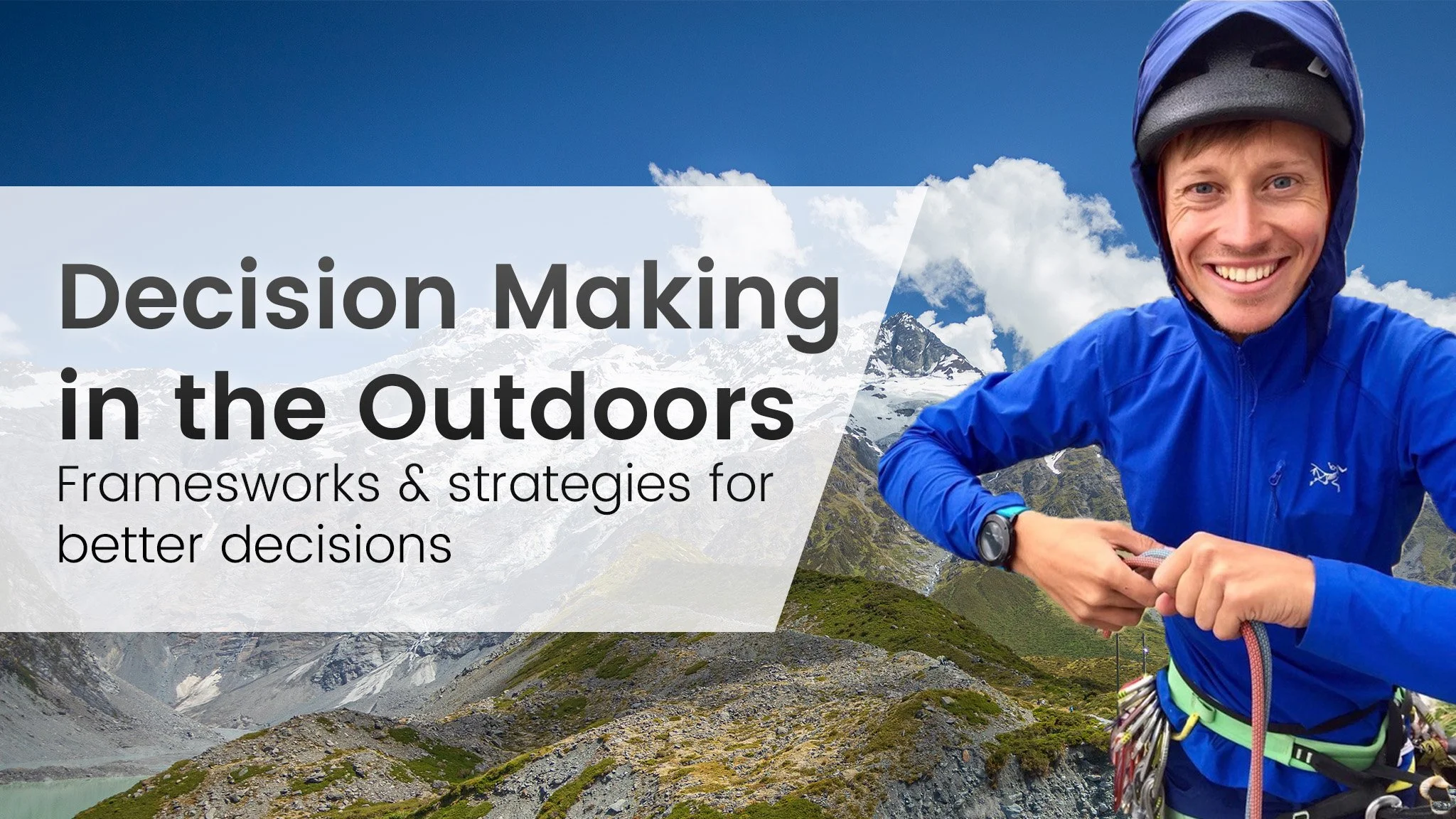
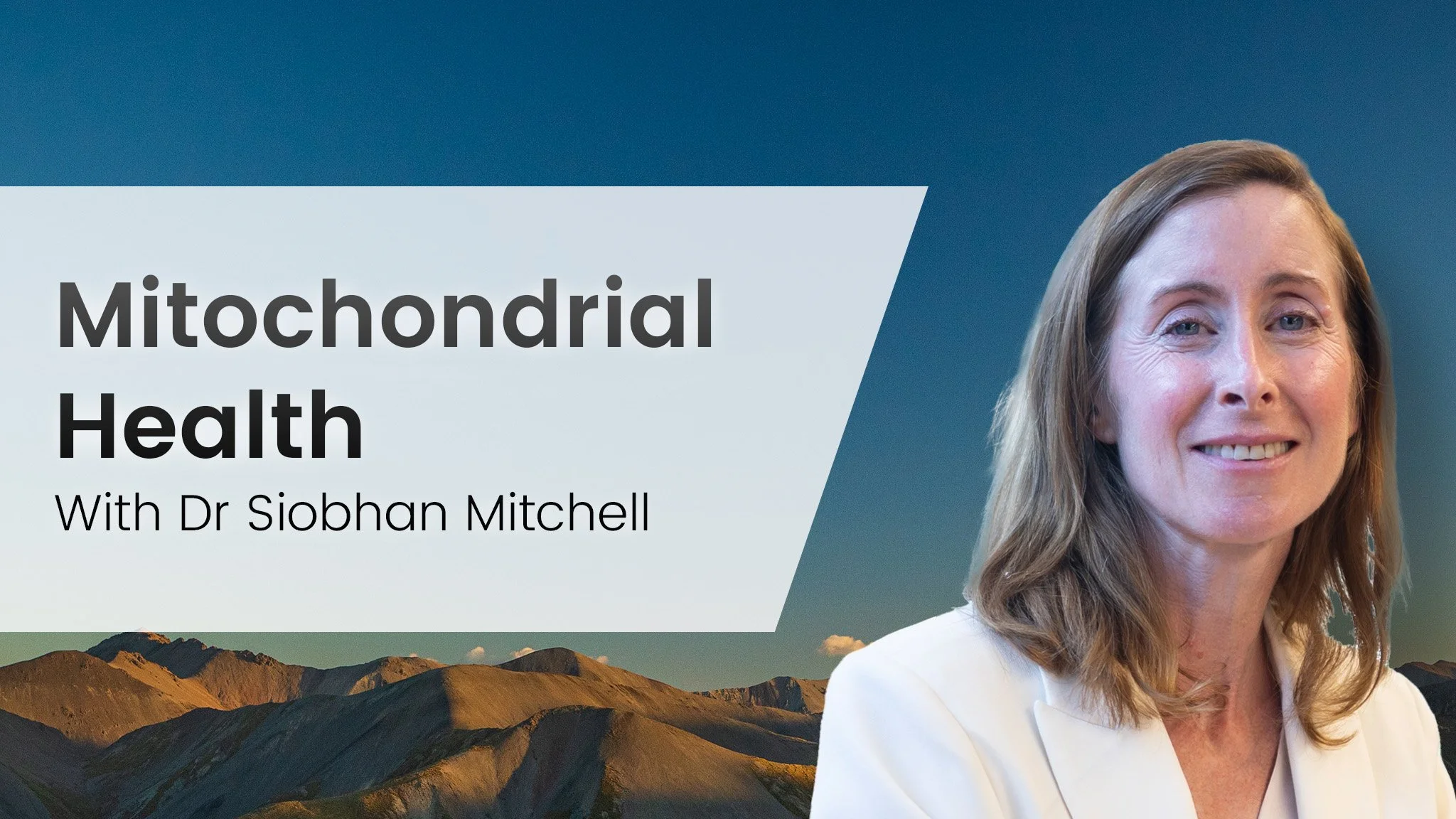
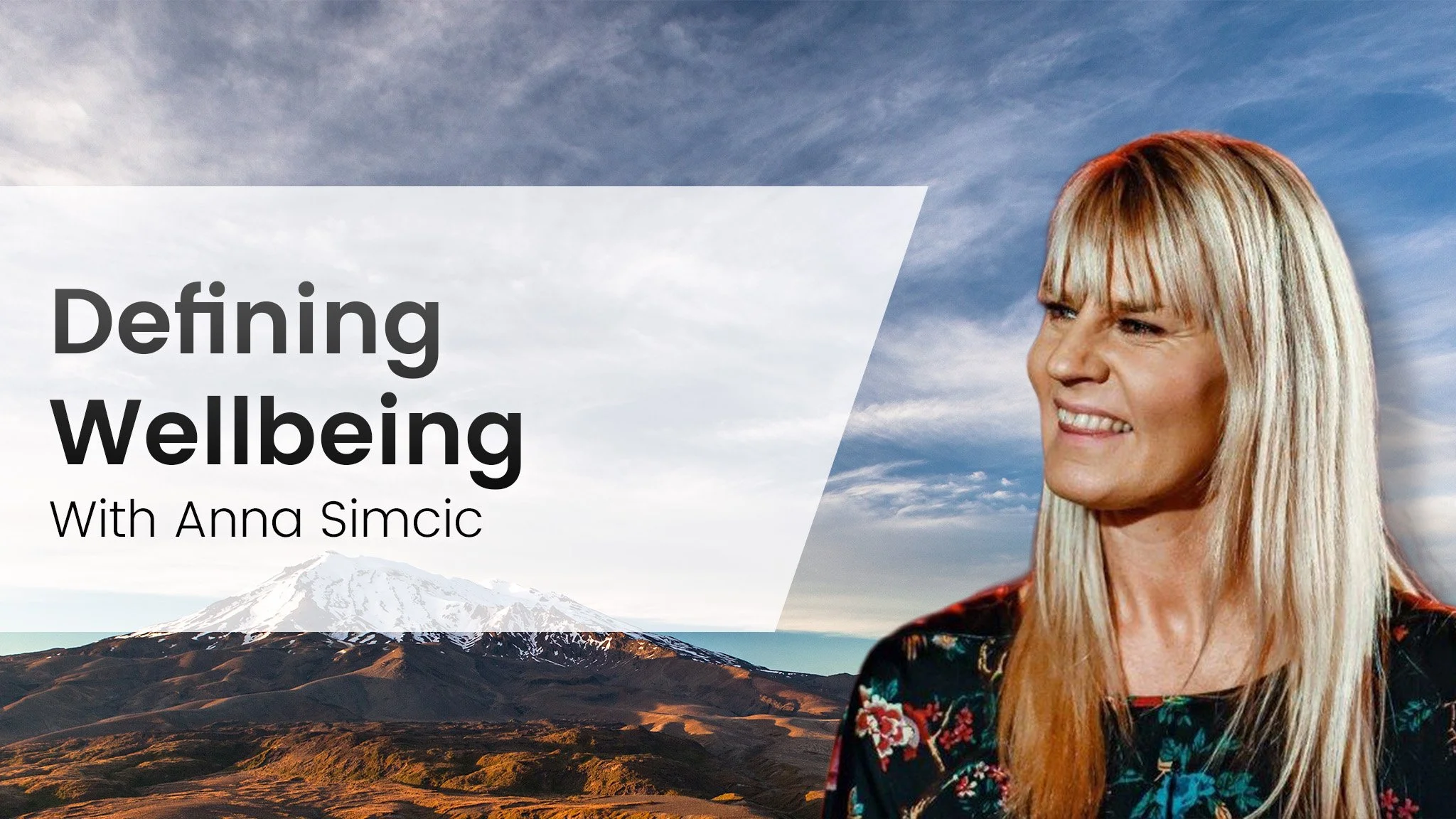
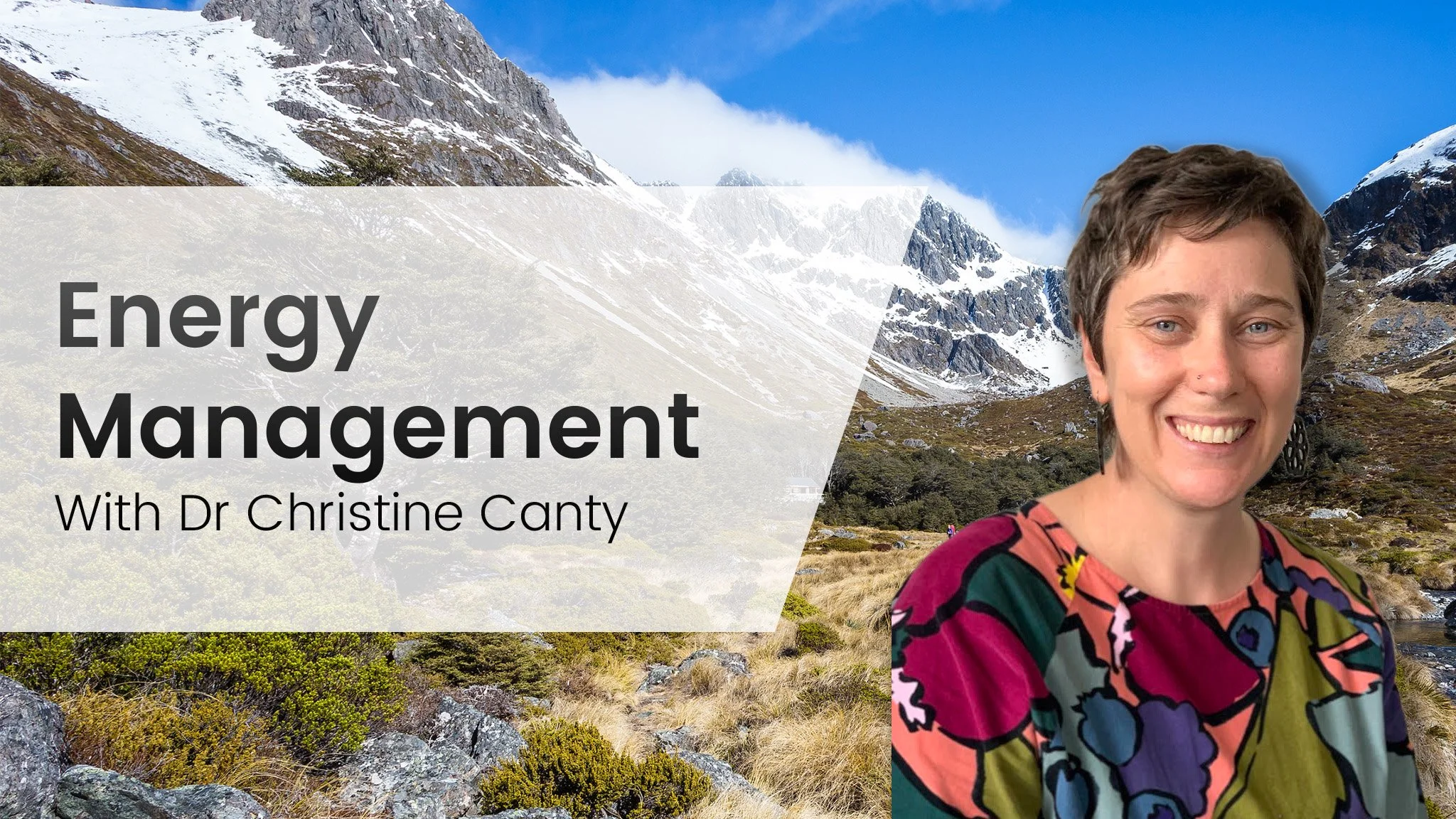
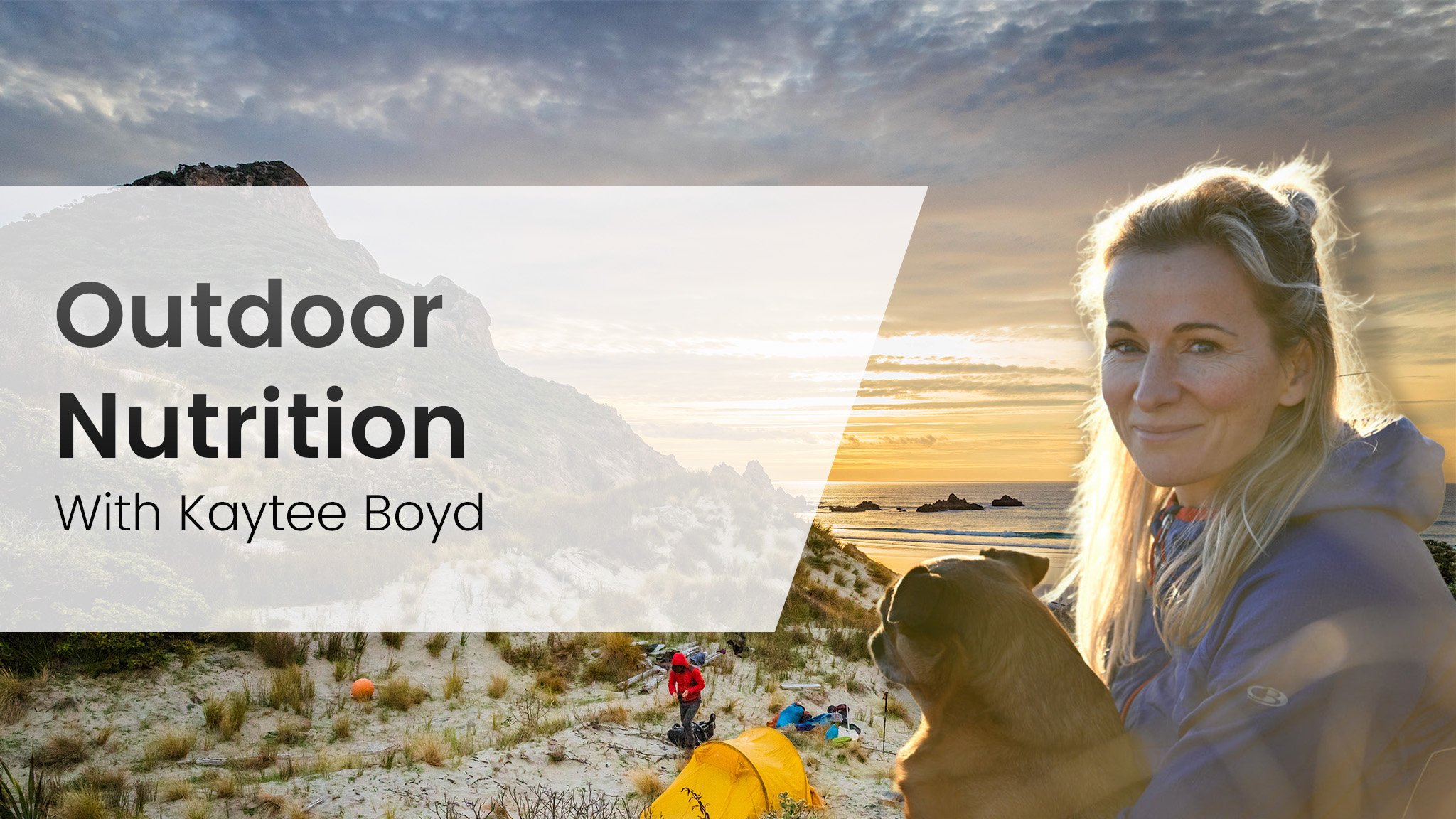
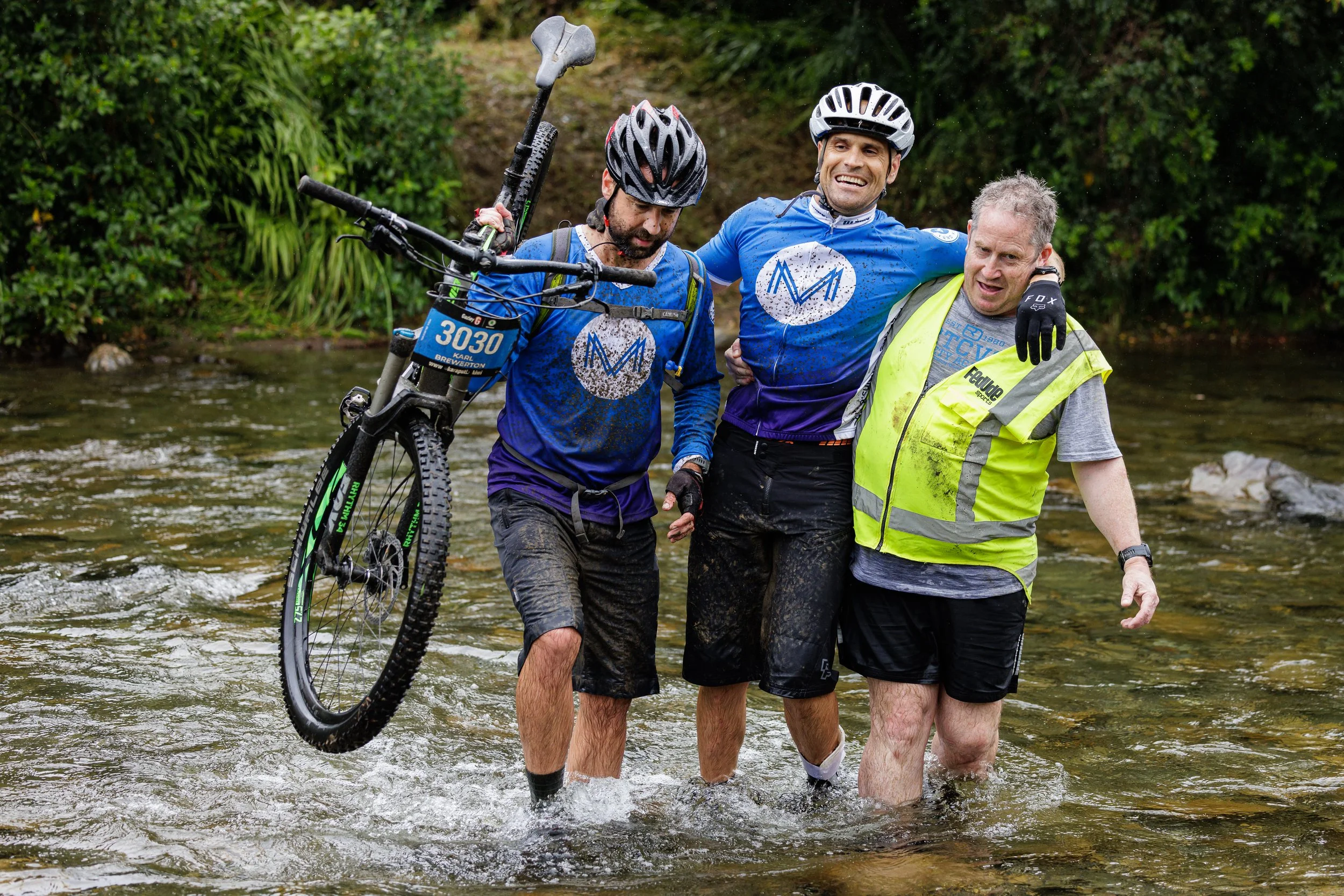
We believe that outdoor adventure, combined with a meaningful goal, has the unique power to foster hope.
Whether your goal is a multi-day expedition or a small personal milestone, these resources will help you find the means and capacity to explore new and meaningful ways of living.
Let's begin together.

Ko te pae tawhiti, whāia kia tata; ko te pae tata, whakamaua kia tīna.
Seek out distant horizons and cherish those you attain.
— Māori whakataukī
References
Colla, R., Williams, P., Oades, L. G., & Camacho-Morles, J. (2022). “A New Hope” for Positive Psychology: A dynamic systems reconceptualization of Hope Theory. Frontiers in Psychology, 13. https://doi.org/10.3389/fpsyg.2022.809053
Snyder, C. R. (2000). Handbook of hope: Theory, measures, and applications (1st ed.). London: Academic Press.
Snyder, C. R. (2002). Hope theory: Rainbows in the mind. Psychological Inquiry, 13(4), 249–275. https://doi.org/10.1207/S15327965PLI1304_01
Jessie Snowdon, a seasoned neurological physiotherapist, shares insights on and strategies for effectively managing fatigue in individuals with MS and FND.